Which Premium Tyres Are Actually Worth Paying For?
You are looking at a price list, and the same size tyre comes in at three very different prices. The dearest set carries a name you know from motorsport, and the fitter says it is the one he would put on his own car. The question in your head is a fair one: are you buying real safety here, or just a badge on the sidewall?
Here is the short answer. Among the best premium tyres UK drivers can buy today, the Continental PremiumContact 7 is the strongest all-round summer choice, the Michelin CrossClimate 3 Sport is the one to pick if you want a single set for the whole year, the Goodyear Eagle F1 Asymmetric 6 lasts the longest, and the Michelin Pilot Sport 5 suits quick cars. They earn their price in three places you feel every week: wet braking, tread life and cabin noise.
The rest of this guide is about your decision, not ours. You will see how the premium tier is built, what the extra spend changes on a wet roundabout, which models suit which vehicle, and how to avoid paying top money for grip you will never use.
What this guide covers:
- What makes a tyre premium, not just expensive
- What the extra money actually buys you
- The premium tyre brands worth shortlisting
- Best premium tyres for the way you drive
- Reading the tyre label before you commit
- Working out the real cost per mile
- Buying premium without getting caught out
- Is premium worth it for your car?
⭐ What Makes a Tyre Premium, Not Just Expensive?
Price on its own tells you very little
A high price can mean a rare size, a thin stock level, or simply a shop with a wide margin. What puts a tyre in the premium tier is where it comes from. These are makers that mix their own rubber compounds, cut their own moulds, run their own test tracks, and supply car factories directly as original equipment. That last point matters more than most drivers realise: when a car maker signs off a tyre for a new model, the tyre has been tuned around that car’s weight, steering and suspension.
✅ Quick Answer
A premium tyre comes from a manufacturer that develops its own rubber compounds and tread patterns, supplies vehicle makers as original equipment, and puts its top models into independent testing every season. Premium-brand tyres, also called top-tier tyres, are judged on wet stopping distance, wear rate and noise — never on price.
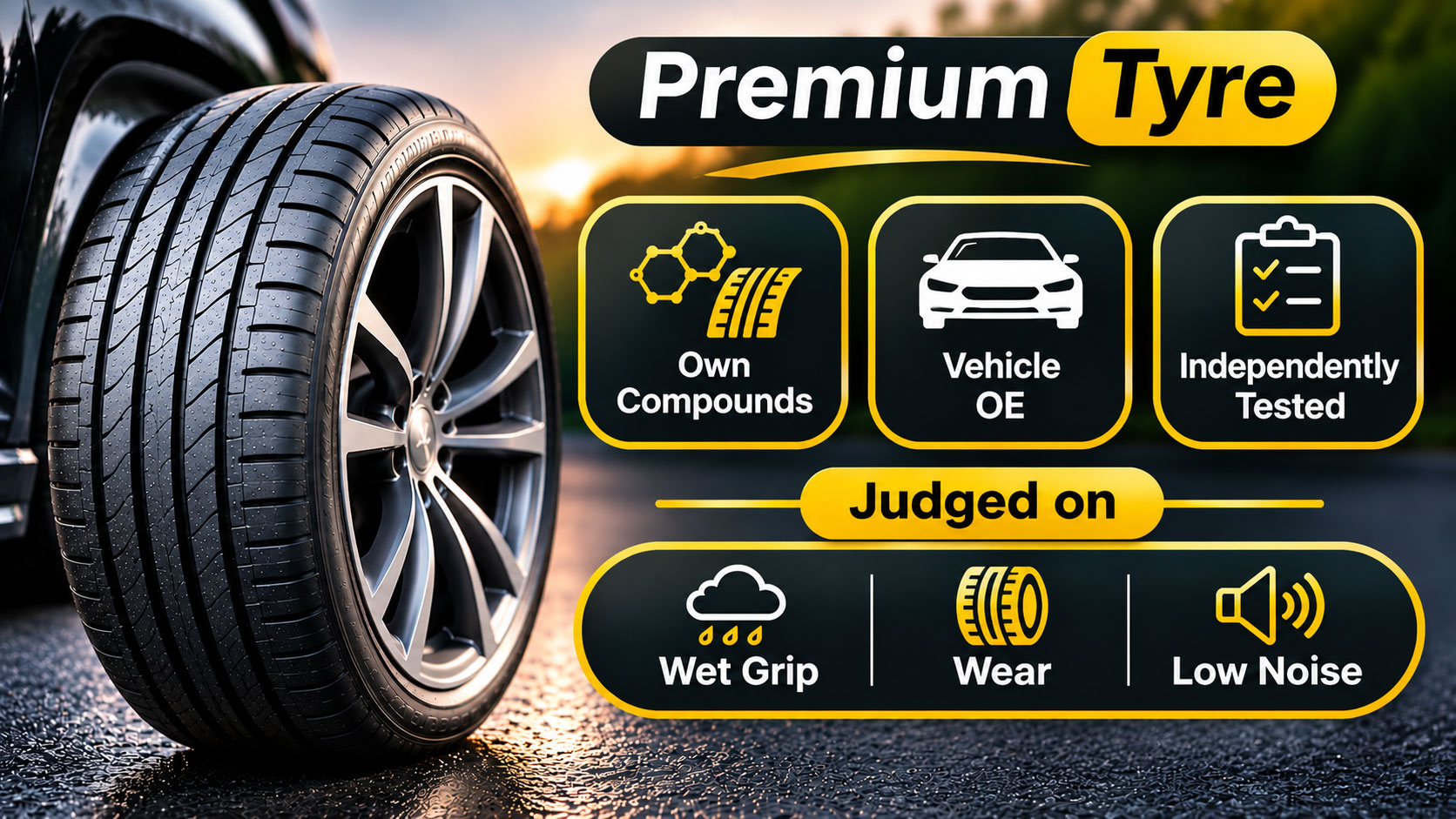
Three signs you are holding a genuine premium tyre
- Original equipment markings. Letters moulded into the sidewall such as MO, AO, ★ or BMW’s own codes mean that version was approved for a particular car maker.
- A recent test record. A premium brand’s top tyres appear in independent magazine and motoring-club tests every year, so you can read how they braked and how long they lasted before you spend a penny.
- A full size range with real ratings. High-end tyres are offered across dozens of sizes with sensible load and speed ratings, rather than two or three popular fitments only.
💧 What the Extra Money Actually Buys You
Shorter stopping distances on a wet road
This is the one that justifies the spend. In the 2026 ACE summer test of high-performance tyres, wet braking from 80 km/h separated the field clearly, with Continental stopping in roughly 24.5 metres while slower names in the same size needed noticeably more road.
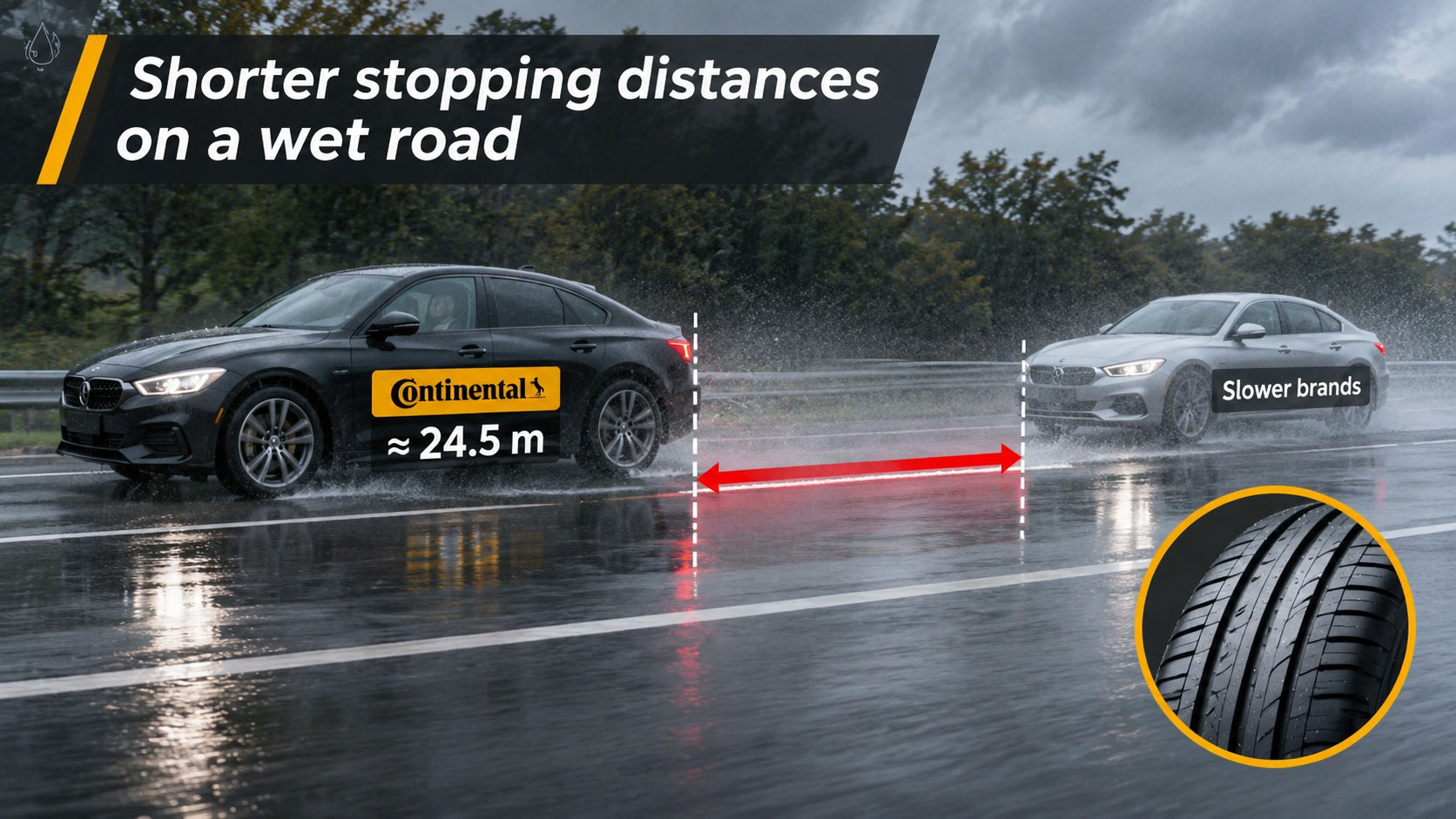
A few metres sounds academic until you picture the gap between stopping behind the car in front and arriving in its boot. Wet grip is also the one property that fades fastest as tread wears down, which is why checking your tread properly matters as much as the badge you buy.
More miles before you are back in the queue
Premium does not mean fragile. In Auto Bild’s 2026 summer test the Goodyear Eagle F1 Asymmetric 6 ran the furthest of the whole field in the convoy wear run, close to 39,600 miles, with the Michelin Pilot Sport 5 next and Continental’s PremiumContact 7 just behind.
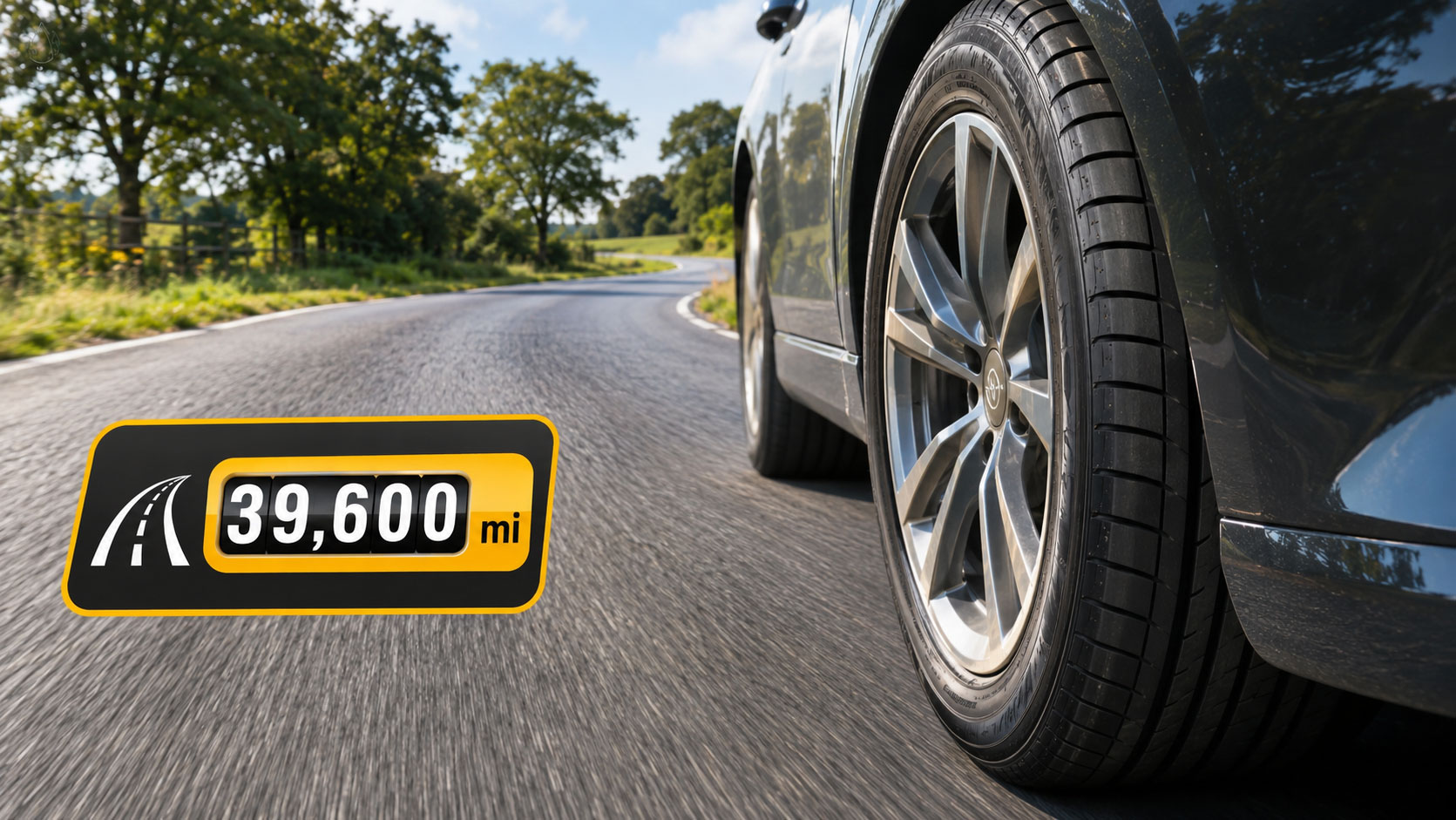
Those are figures from a controlled run rather than a promise for your car, but the pattern holds: the quality tyres that cost most per tyre often cost least per mile. Our note on how long a set normally lasts explains what shortens that life on real roads.
A quieter, calmer car
Road noise is the complaint we hear most after a budget set goes on. Premium patterns use varied block spacing so the tyre does not hum on one note, and the sidewall is built to soak up sharp edges instead of passing them straight into the cabin. On a long motorway run the difference shows up as less tiredness, not just less noise.
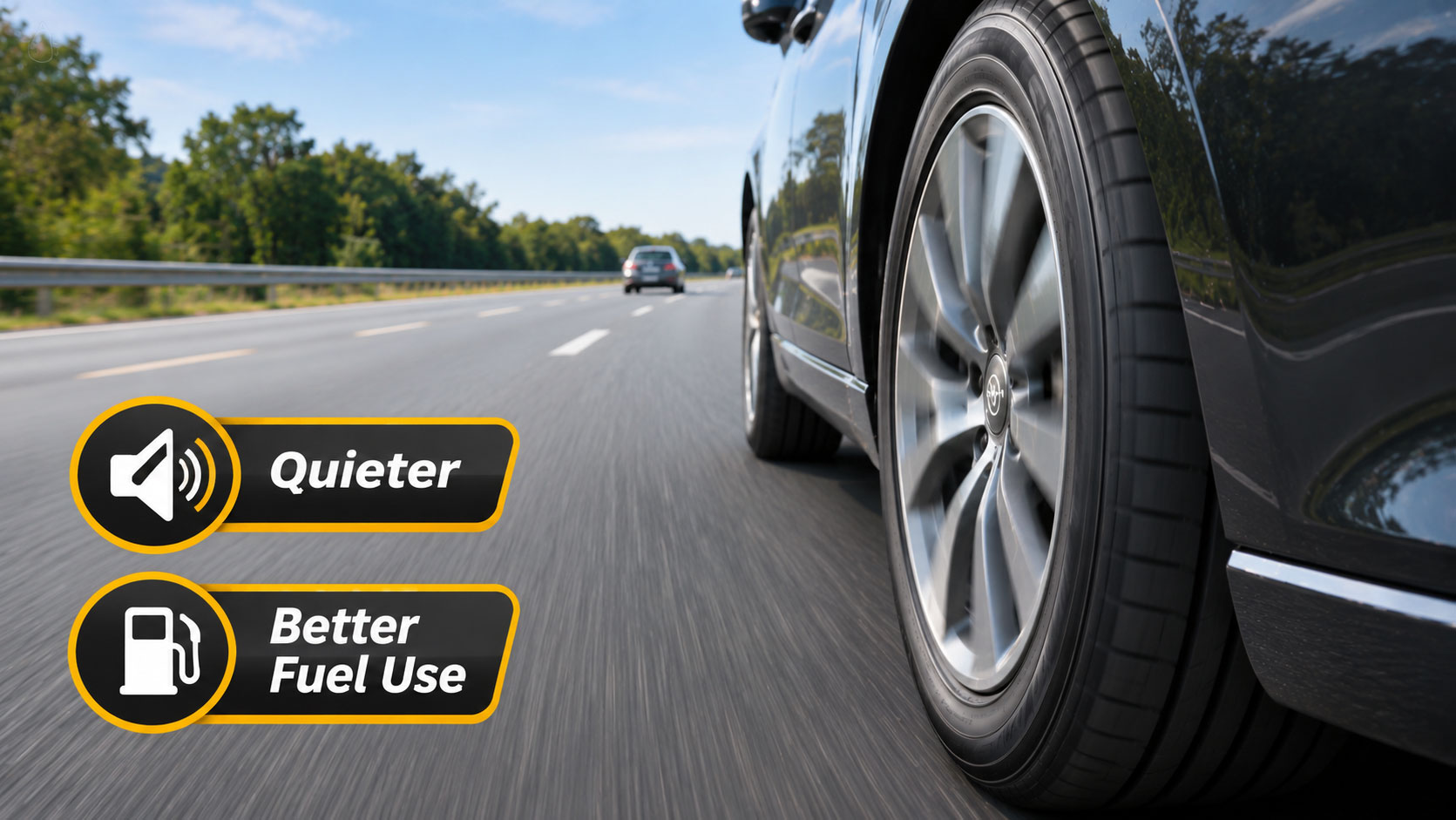
Rolling resistance improves too, and the effect tyres have on fuel use is bigger than most drivers expect over a year.
Steadier behaviour when the tyre is half worn
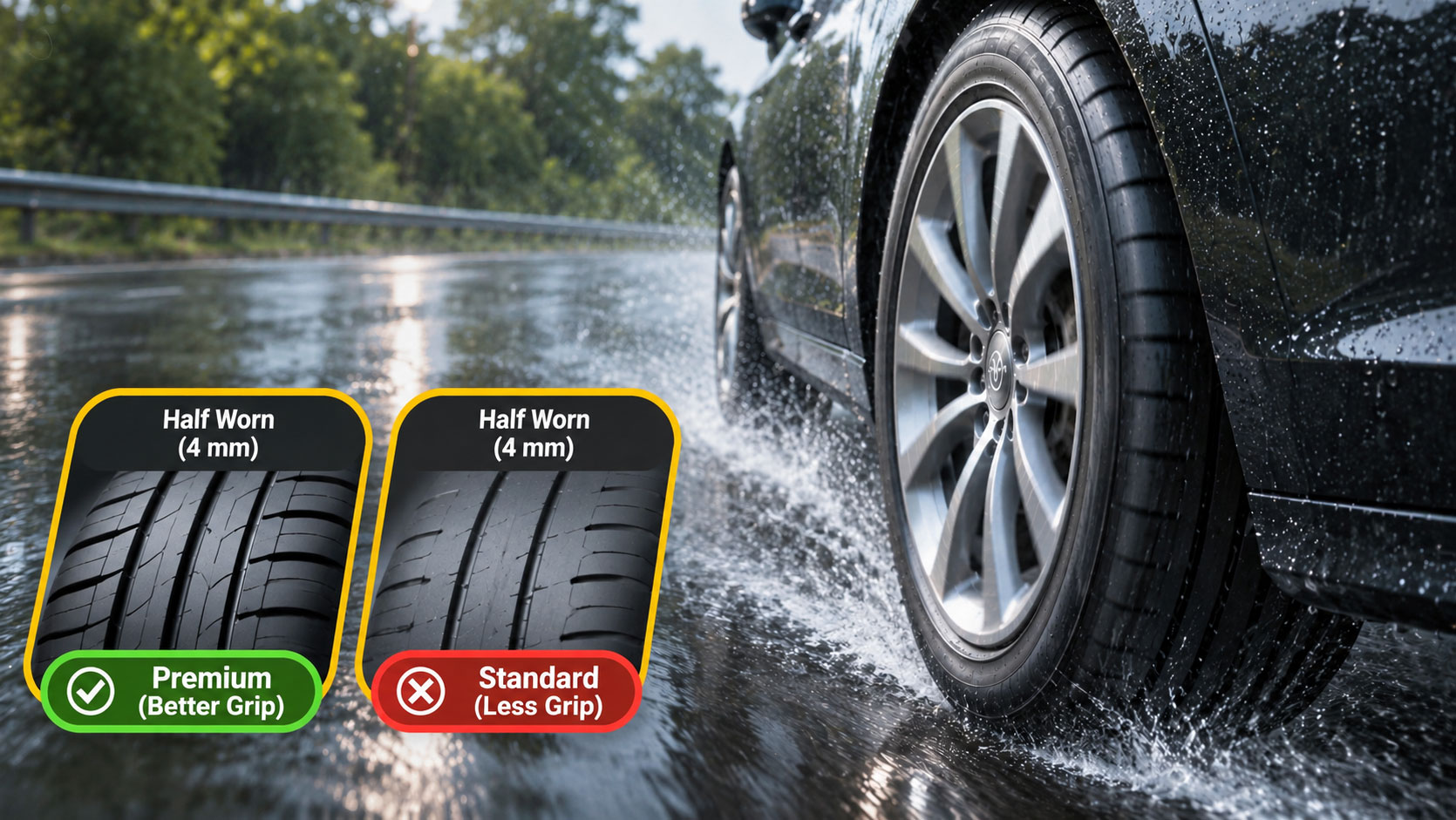
A new tyre of almost any grade feels fine. The separation appears at 4mm, in standing water, with a full car. Premium compounds are tuned to hold their wet performance deeper into their life, which is the part you cannot see on the shop wall and the reason independent test data is worth reading before you choose.
📊 Where Premium Pays Off Most
What you notice
Why the premium tier differs
Who feels it most
🌧️ Wet braking
Grippier rubber mixes and deeper channels push water out from under the tyre
Anyone driving through a British winter
🛣️ Tread life
A harder-wearing tread, so the pattern keeps its shape for longer
High-mileage commuters and company drivers
🔇 Cabin noise
Uneven tread spacing and a softer sidewall, so there is less hum
Long-distance motorway drivers
⛽ Fuel use
Lower rolling resistance for the same grip level
Anyone covering big annual mileage
🎯 Steering feel
A stiffer build under the tread, so steering stays sharp when the car is loaded
Heavier cars, SUVs and fast saloons
👉 Swipe the table sideways to see every column
One honest caveat. If your car spends its life on short, slow trips, you will enjoy the quietness but you will never reach the limits these tyres are built for. That is the point where paying for the dearest top-of-range tyre stops making sense, and we would rather tell you that now. Drivers in that position usually do better looking at our mid-range tyre guide instead.
🏅 The Premium Tyre Brands Worth Shortlisting
Six names do most of the work in this tier in the UK. Rather than rank them head to head, it helps to know what each one is tuned towards, because the right answer changes with the car on your driveway. Every brand below links straight to its own car tyre range so you can check sizes for yourself.
🔎 Premium Brands Rated, Priced and Compared
Brand & score out of 5
Strongest at · typical price
Top models (tap to open)
★★★★★ 4.9 / 5
Wet performance and all-round balance
£100–£150 per tyre
★★★★★ 4.8 / 5
Tread life and year-round versatility
£100–£160 per tyre
★★★★½ 4.5 / 5
Mileage and wet handling
£95–£140 per tyre
★★★★½ 4.4 / 5
Performance fitments and car-maker approvals
£90–£165 per tyre
★★★★ 4.0 / 5
Comfort and steady dry grip
£100–£150 per tyre
★★★½ 3.6 / 5
Cold, wet and northern-European conditions
£65–£95 per tyre
👉 Swipe the table sideways to see every column
Independent testing backs the shortlist rather than the marketing. Continental’s PremiumContact 7 took the win in the 2026 ADAC summer tyre test, with Pirelli and Goodyear close behind, and the same three names keep reappearing at the top of other 2026 comparisons. When several separate test teams reach the same conclusion in different sizes, that is a result you can lean on.
The three types of premium tyre, in plain words
Every maker splits its premium range into three jobs, and knowing the three words saves you a lot of bother in the shop.
- Everyday tyres (the trade calls them touring tyres) are built for normal driving — quiet, comfortable and long-lasting. The Michelin Primacy 5 and Continental PremiumContact 7 are this type.
- Sporty tyres (performance tyres) give up some comfort and some tread life in exchange for more grip and sharper steering on faster cars. The Michelin Pilot Sport 5 and Goodyear Eagle F1 Asymmetric 6 are this type.
- All-season tyres give up a little dry-road sharpness so they keep working when the temperature drops below 7°C. The Michelin CrossClimate 3 Sport and Continental AllSeasonContact 2 are this type.
You will also see the word flagship used for tyres. It only means a brand’s top model — the one it puts its name behind — in the same way a phone maker has a top phone in its range.
Choosing the wrong one of those three inside the right brand is the most common mistake we see, and it costs more than choosing the wrong brand. A sporty tyre on a car that never goes anywhere quickly will simply wear out sooner and cost you more, without ever giving you the grip you paid for.
🚗 Best Premium Tyres for the Way You Actually Drive
Start with how your car is used in a normal week, not with the brand you like. These are the top rated premium tyres by job, based on the 2026 test season.
Family cars and motorway commuting
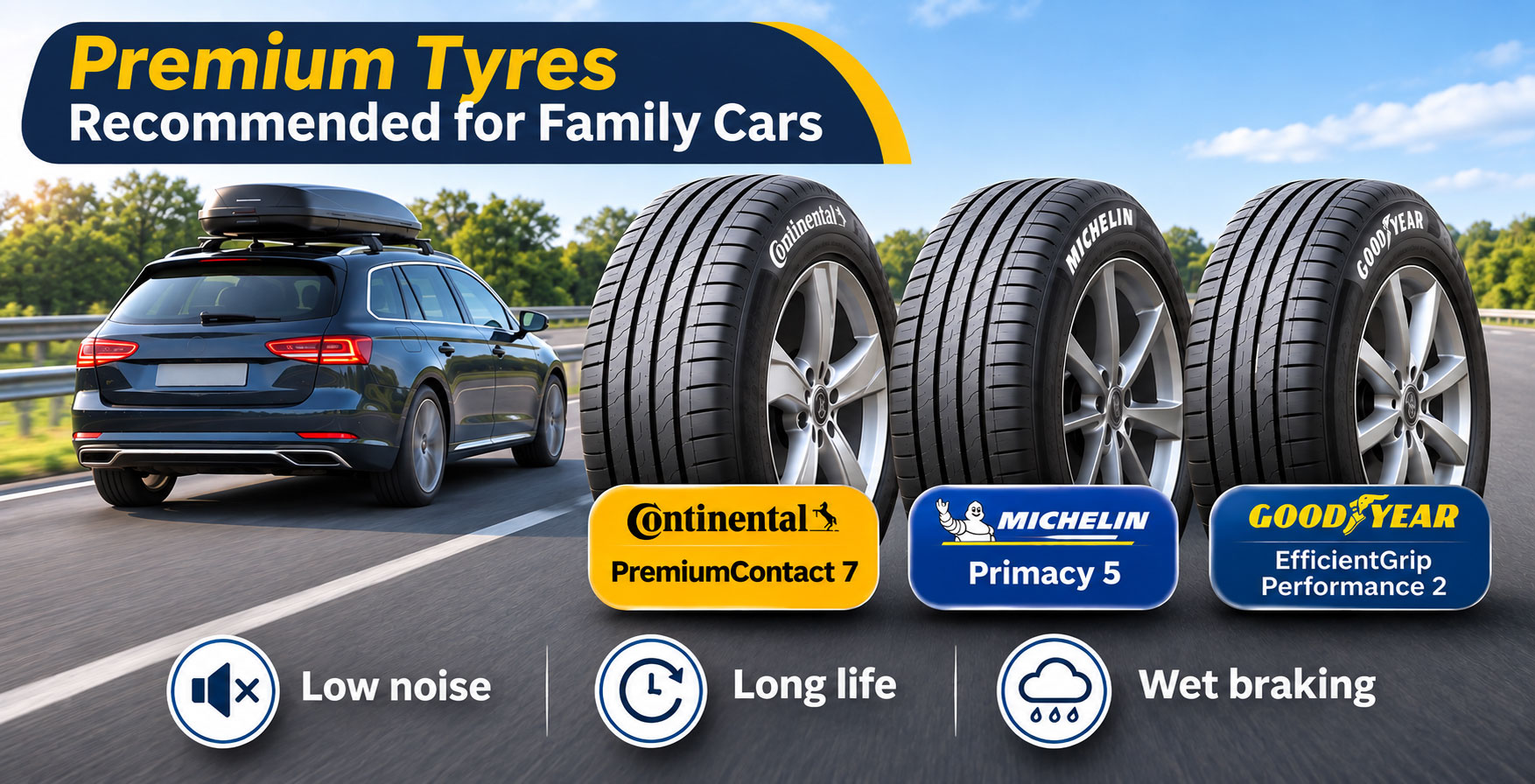
You want low noise, long life and dependable wet braking. The Continental PremiumContact 7 is the safest single choice here, with the Michelin Primacy 5 and Goodyear EfficientGrip Performance 2 as strong alternatives if your size is short in stock. All three are quiet enough that you will notice the change the first time you join a motorway.
If you are replacing only the worn pair, read why tyres go on in pairs before you book, because mixing patterns across an axle undoes a lot of what you just paid for.
Wet British roads, all year round
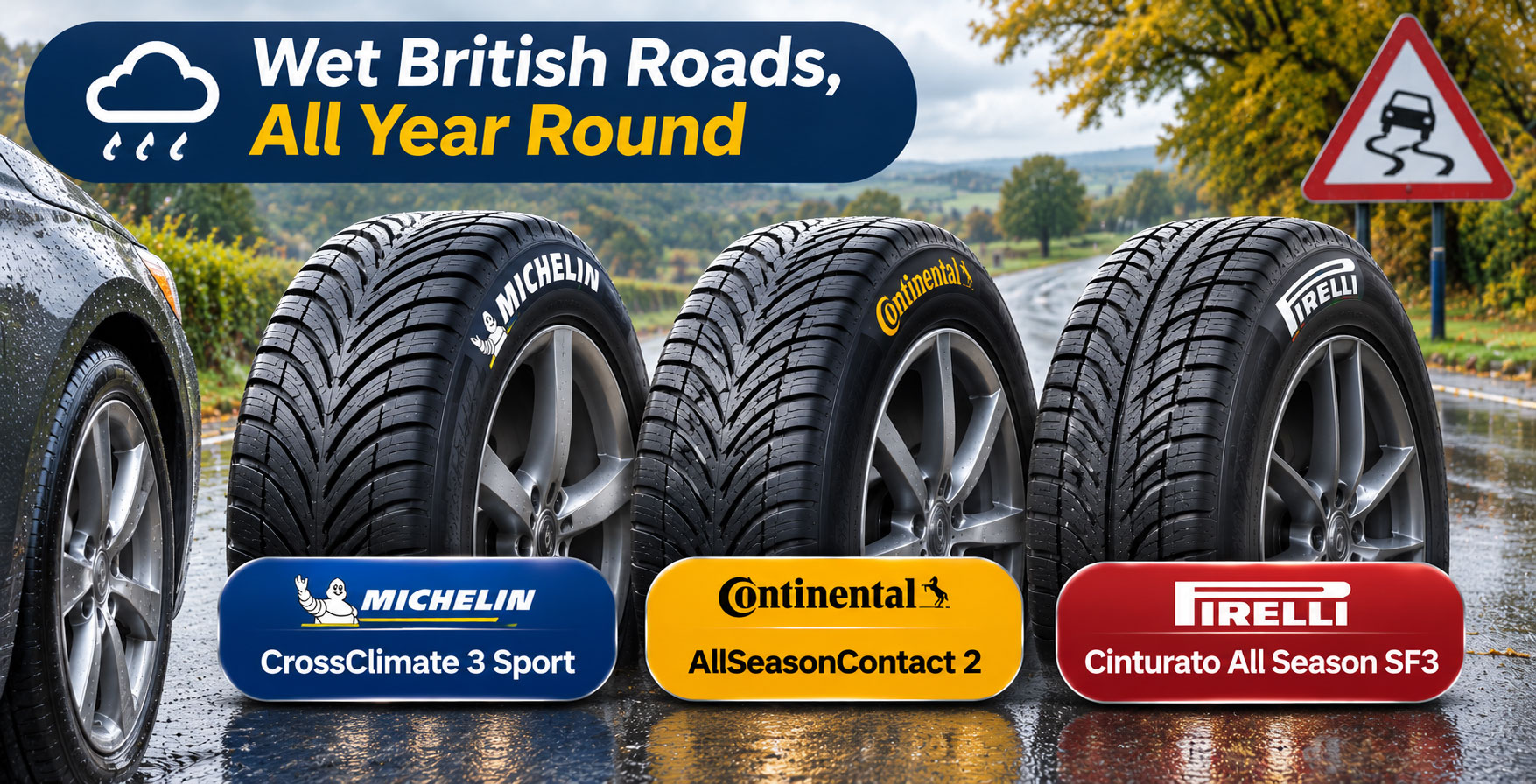
If your car sits outside through the winter and you would rather not store a second set, premium all-season tyres are the sensible route. The Michelin CrossClimate 3 Sport won the 2026 AutoView all-season comparison outright, with the Continental AllSeasonContact 2 just behind it on wet braking, and the Pirelli Cinturato All Season SF3 winning Auto Zeitung’s test in a smaller size.
For genuinely cold or snowy routes a dedicated set still wins, and our cold-weather tyre comparison covers that case.
Fast saloons, hot hatches and performance cars
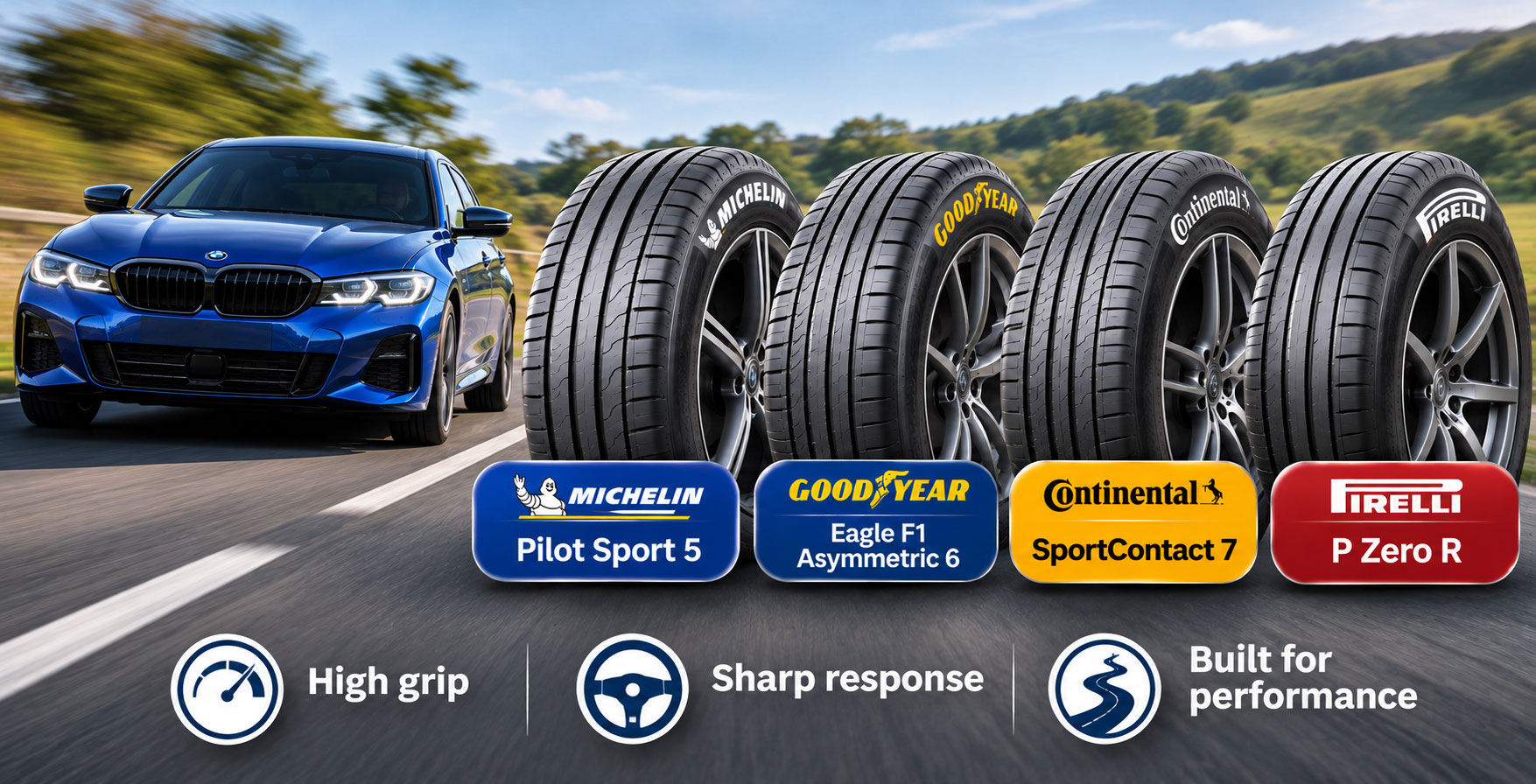
Here the premium tier is not optional. A heavy, quick car will overwhelm a lesser tyre long before you reach anything illegal. The Michelin Pilot Sport 5 and Goodyear Eagle F1 Asymmetric 6 are the balanced picks, while the Continental SportContact 7 and Pirelli P Zero R sit above them for drivers who want the sharpest response. Check the sidewall for your car maker’s approval code; owners of German performance cars in particular should see our tyre notes for BMW models.
If your car runs large wheels and thin sidewalls, what low-profile sizing changes is worth five minutes.
Best premium tyres for SUVs and heavier vehicles
Weight changes everything. An SUV loads the shoulder of the tyre far harder in corners, so the premium versions sold in SUV sizes use stiffer construction rather than simply a bigger version of the car pattern. Look for the SUV-specific variants from Michelin, Continental and Pirelli in your size.
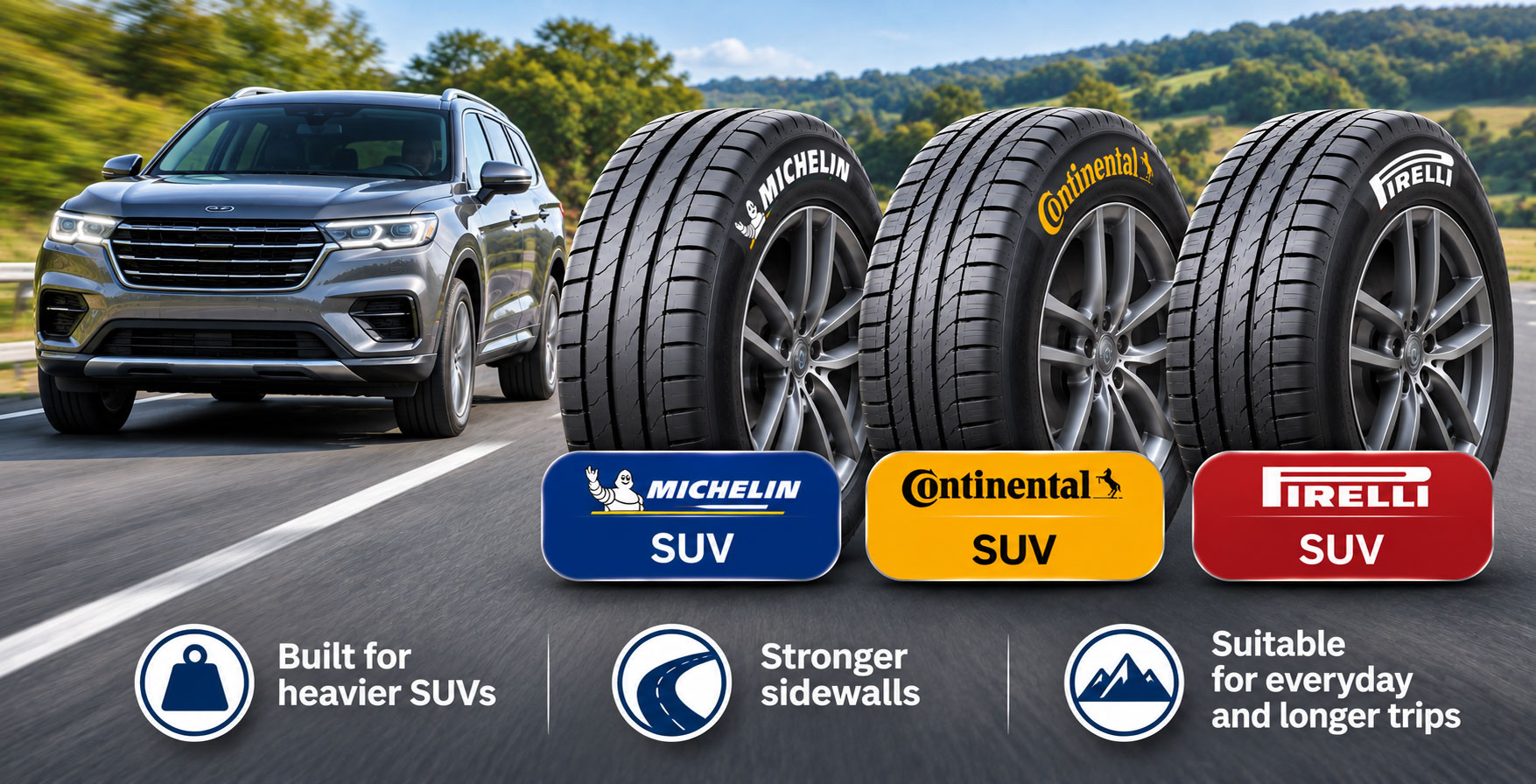
Where the vehicle genuinely leaves tarmac, a road-biased premium tyre is the wrong tool and our 4×4 tyre guide points to better options.
Electric cars
EVs are heavy, instantly torquey and quiet, which punishes tyres in a very particular way. Most premium makers now sell EV-ready versions with reinforced construction and foam noise lining.
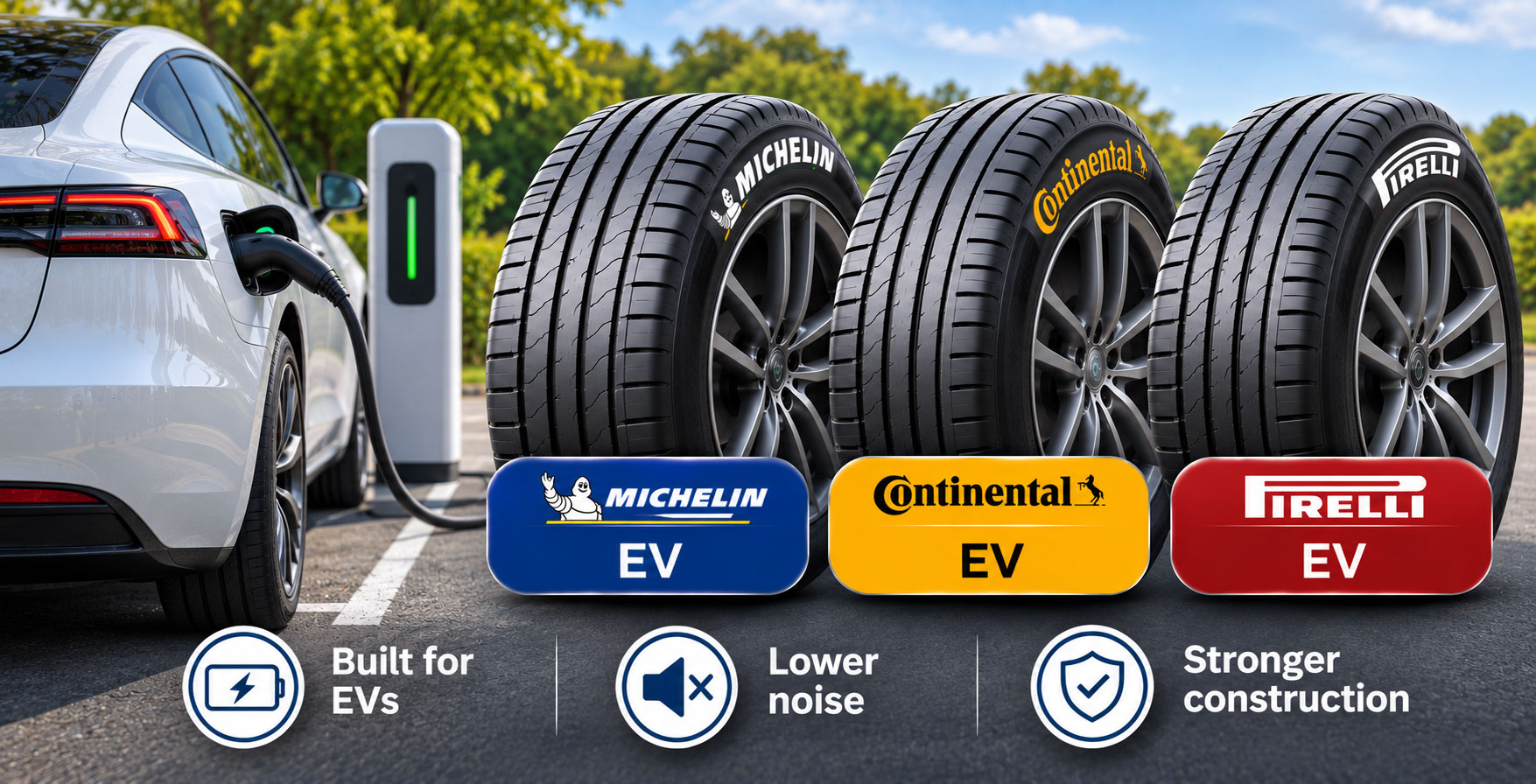
Because the choice is specialised, we keep it in its own guide: tyres made for electric cars.
Best premium van tyres for work vehicles
Van tyres carry a C marking and a far higher load rating, and the premium options are a different line-up altogether. The Continental VanContact Ultra, Michelin Agilis 3 and Goodyear EfficientGrip Cargo 2 all performed well in the 2026 van and motorhome testing, with the Michelin showing the lowest rolling resistance and the lowest noise of the group.
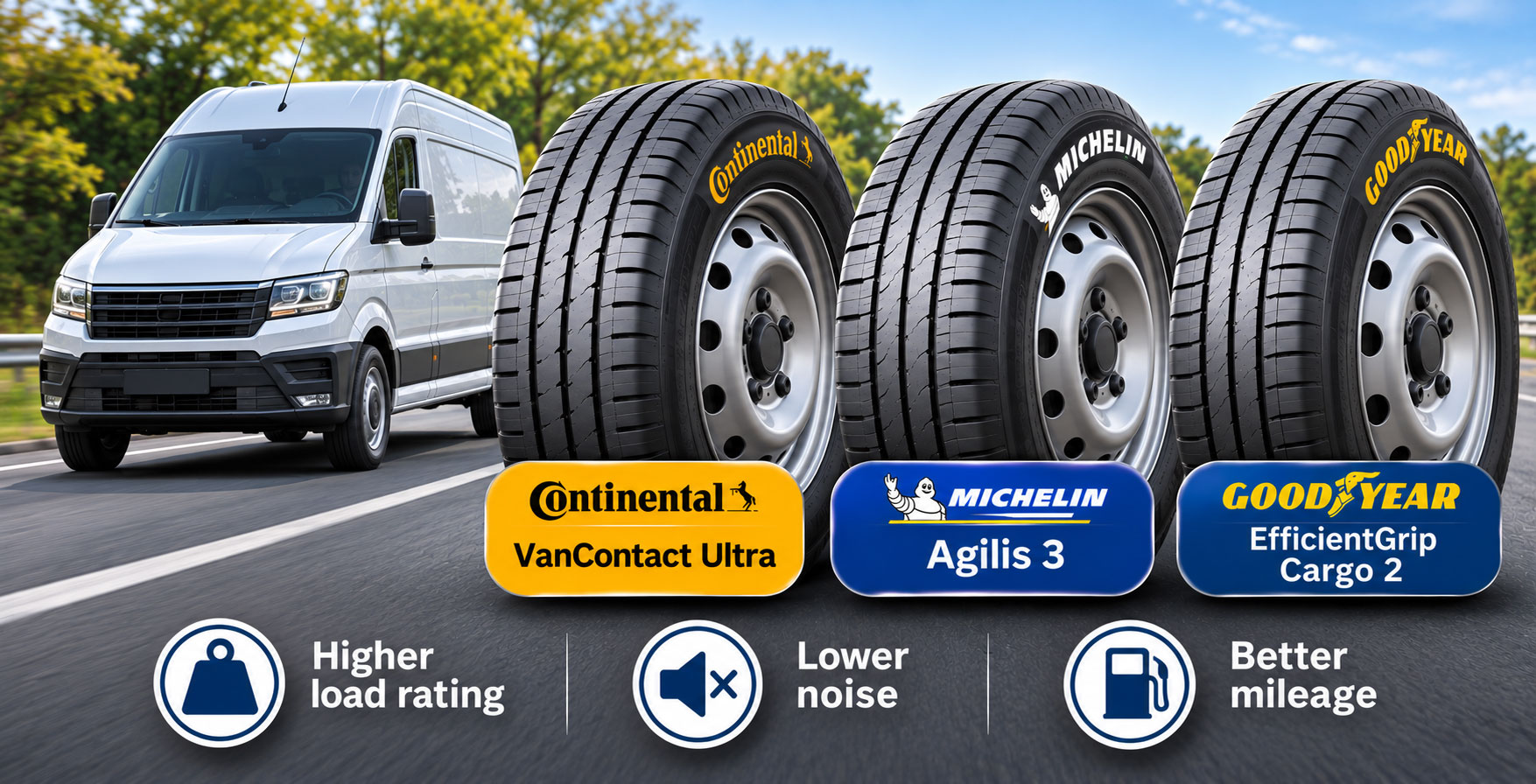
If the van earns its keep, the mileage gain pays for itself long before the lease ends.
🎯 Pick By What You Drive
Your situation
Premium models to shortlist
Why it fits
👨👩👧 Family car, mixed roads
Quietest all-round pairing with strong wet braking
🛣️ High motorway mileage
Longest measured tread life in 2026 testing
🌧️ One set for all year
Keeps working below 7°C without a second set
⚡ Performance car
Holds steering accuracy under load and heat
🚙 SUV or heavy estate
SUV-specific Michelin, Continental or Pirelli fitments
Stiffer casing built for extra weight transfer
🚚 Van or light commercial
C-rated load capacity with low rolling resistance
👉 Swipe the table sideways to see every column
🏷️ Reading the Tyre Label Before You Commit
Every new tyre sold in the UK carries a label with three graded figures. It will not tell you everything, but it settles arguments quickly when two premium models look identical on the shelf and one is dearer.
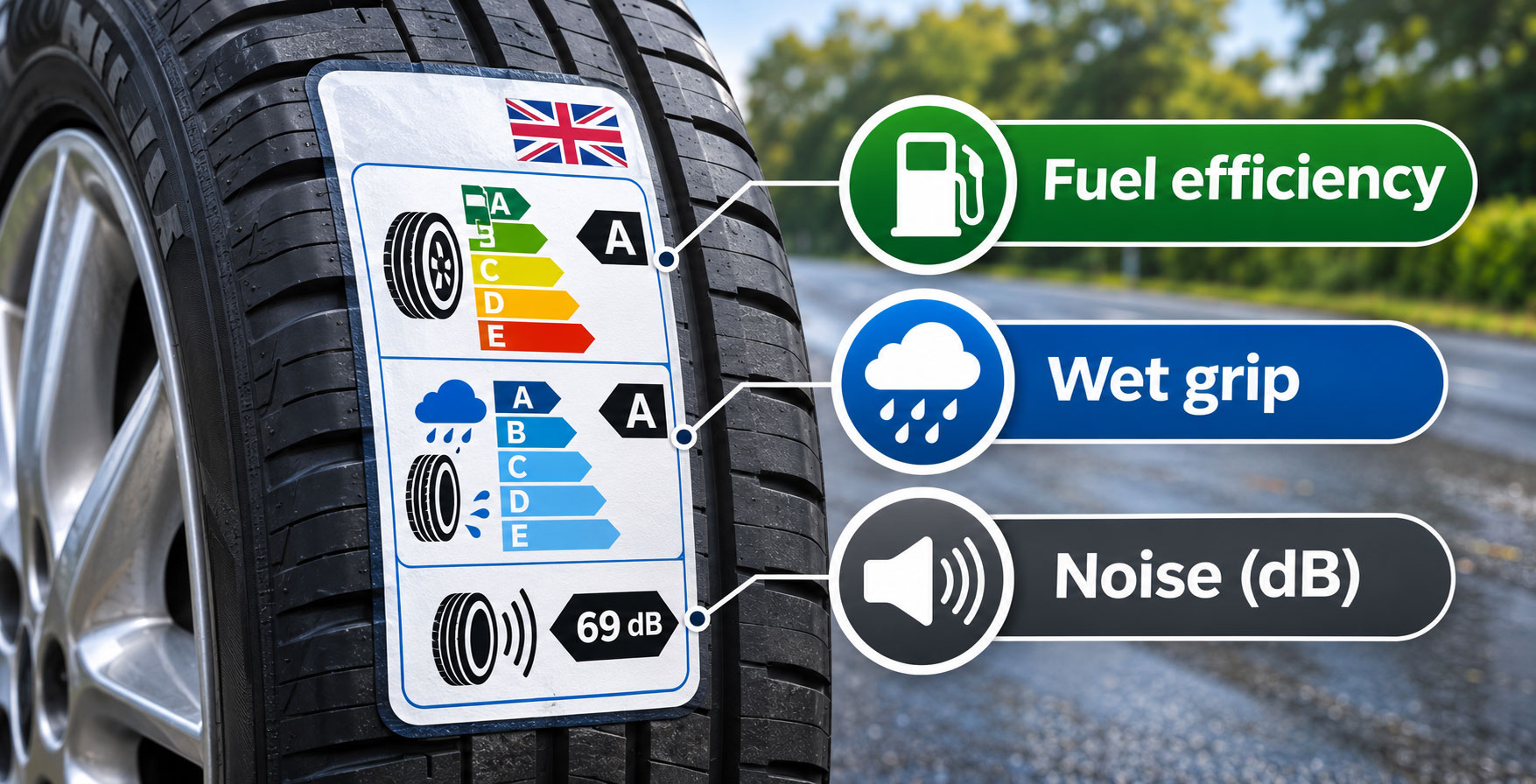
📋 What the Label Ratings Mean
Rating on the label
What it measures
What to aim for on a premium set
⛽ Fuel efficiency (A–E)
Rolling resistance, so how much energy the tyre wastes
B or better if you cover big annual mileage
🌧️ Wet grip (A–E)
Braking performance on a wet surface
A — a top premium tyre should not be below it
🔊 Noise (dB + class)
Pass-by noise measured outside the car
Lower number, and class A or B where offered
❄️ 3PMSF snowflake
Certified performance in snow conditions
Needed if the set must work through winter
👉 Swipe the table sideways to see every column
Two warnings about the label. First, it is measured on a brand-new tyre, so it says nothing about how the tyre behaves at 4mm. Second, wet grip is graded in bands, and two tyres can both score an A with several metres between them in a real braking test. That is exactly the gap independent test data fills, and it is why we point readers at published test results rather than labels alone.
💰 Working Out the Real Cost Per Mile
The price you pay is not the price you spend
A premium set is bought once and used for years, so the figure that matters is cost per mile, not cost per tyre. The arithmetic is simple: take the fitted price of the set, then divide it by the mileage you honestly expect to get from it. Suddenly a set that costs more but runs 50% further is the cheaper one to own. That is how affordable premium tyres are really identified — by the mile, not by the sticker on the wall.
🧮 Worked Example (illustration only)
Example set of four
Mileage you expect
Cost per 1,000 miles
Long-life everyday tyre at £600 fitted
30,000 miles
£20.00
Sporty high-grip tyre at £600 fitted
20,000 miles
£30.00
Sporty high-grip tyre at £520 fitted
20,000 miles
£26.00
👉 Swipe the table sideways to see every column
Use your own numbers rather than ours — prices move and so does your driving. The point of the sum is that it stops you comparing two tyres on price alone. It also shows why a soft, grippy tyre on a car that mostly does the school run is money leaving your pocket faster than it needs to.
The running costs that sit underneath the tyre
Two habits change your cost per mile more than the badge does. Keeping pressures correct protects the shoulders from wearing early, so getting your pressures right is the cheapest tyre saving available. Correct balancing stops uneven wear patterns forming, which is why we offer wheel balancing and new valves alongside fitting. If you have ever wondered whether the gas inside makes a difference, nitrogen against ordinary air answers it plainly.
🛡️ Buying Premium Without Getting Caught Out
Check the date code before the tyre goes on the wheel
Rubber ages whether it is driven or not. Every tyre carries a four-digit DOT code showing the week and year it was made, so 2325 means week 23 of 2025.
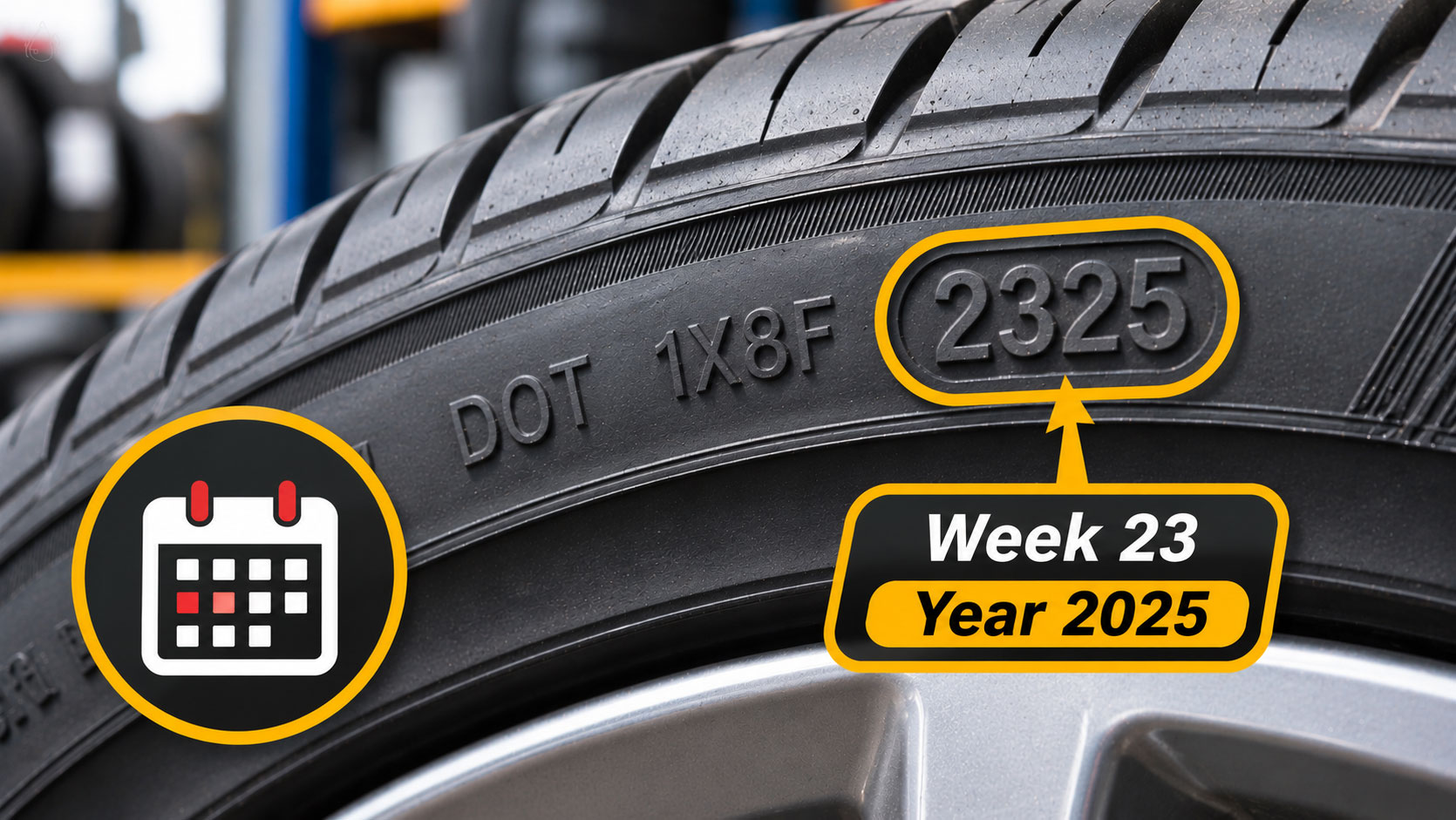
A premium tyre that has sat in a warehouse for five years is not the bargain it looks like. Ask for the date code when you order, and check it on the sidewall before fitting — a reputable supplier will have no problem with the question.
Keep the same tyre across an axle
Mixing two different patterns on the same axle gives you two different responses to the same input, which shows up first under heavy braking in the wet. If the budget will only stretch to two, fit the new pair to the rear and move the better existing pair to the front.
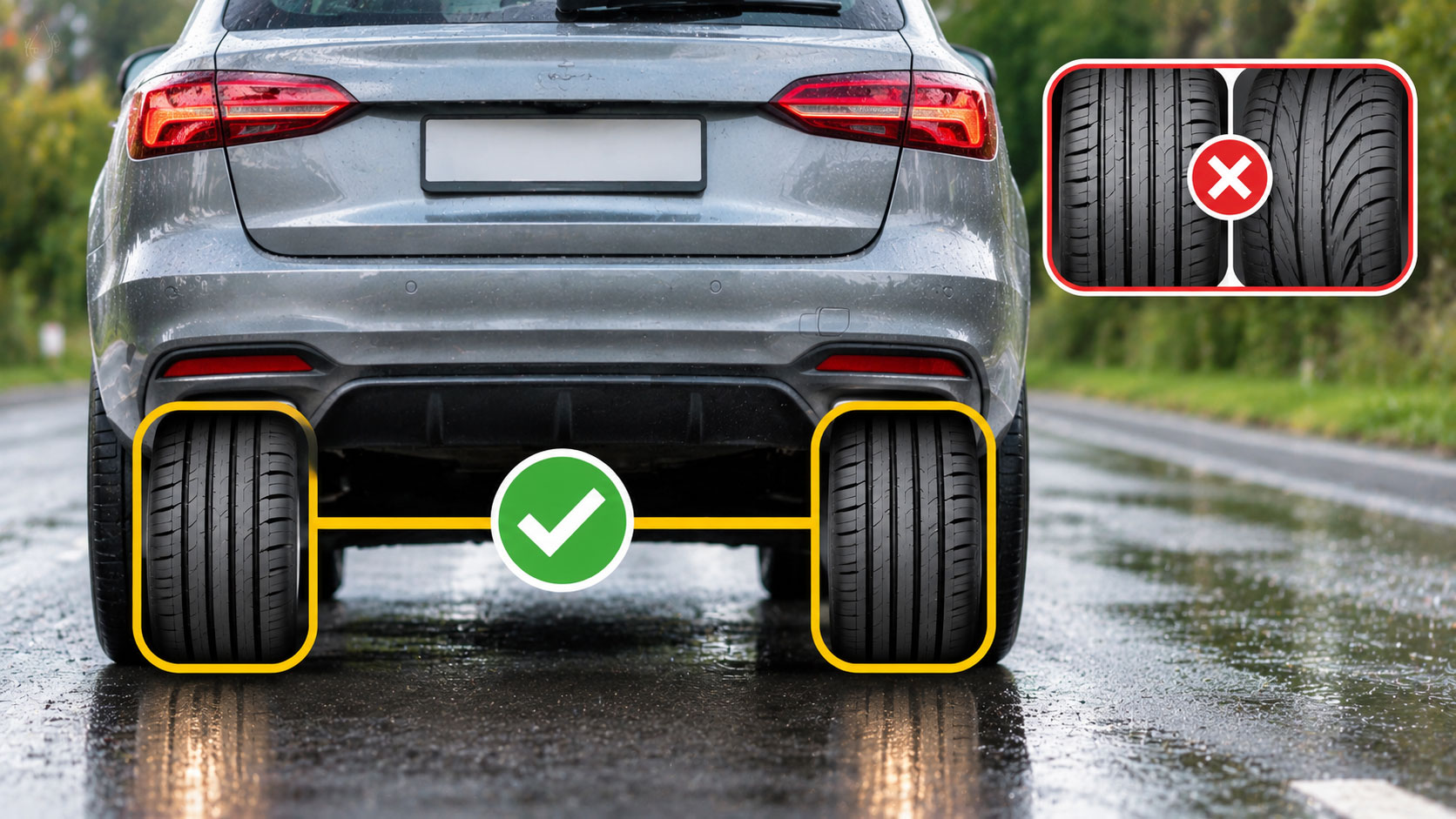
Our piece on changing tyres in pairs explains the handling reason behind that rule.
Match the load and speed rating, not just the size
The numbers after your tyre size are not suggestions. Load index covers the weight each tyre can carry, and the speed letter covers its rated maximum. Fitting below your car’s requirement can affect insurance and will fail an inspection, and the rules on driving a vehicle in a dangerous condition allow a fine of up to £2,500 and three penalty points. Where your car was supplied with run-flats, read how run-flat tyres differ before switching to a conventional tyre.
Do not let a premium set run down to the legal line
The legal minimum in the UK is 1.6mm across the central three-quarters of the tread. Safety bodies advise replacing well before that, and TyreSafe’s tread depth guidance points to 3mm as the sensible change point because wet stopping distances lengthen sharply below it. Running a premium tyre to the limit throws away the very thing you paid extra for.
❌ Mistakes That Waste Money on Premium Tyres
- Buying a sporty high-grip tyre for a car that never sees a fast road.
- Fitting a summer premium tyre and then leaving it on through a hard winter.
- Choosing on brand name alone and ending up in the wrong family within the range.
- Accepting old stock because the price looked unusually good.
- Replacing one tyre and leaving a mismatched pair on the same axle.
- Ignoring pressures for months, then blaming the tyre for uneven wear.
Avoid those six and a premium set will do what it is supposed to: stay quiet, stop short in the rain, and last long enough that the price per mile looks reasonable in hindsight. A few simple tyre care habits do most of that work for you, and before a big journey it is worth getting your tyres ready for the trip.
⚖️ Is Premium Worth It for Your Car?
Premium is not automatically the right answer, and anybody who tells you otherwise is selling. It is the right answer when your car is heavy, quick or busy, when you drive in the rain a lot, or when you keep cars long enough to care about the second half of a tyre’s life. Here is the honest version, driver by driver.
✔️ Honest Verdict By Driver Type
Driver
Worth paying premium?
What we would fit
🛣️ 15,000+ miles a year
Yes — clearest case of all
Long-life everyday tyre
🌧️ Rural or exposed routes
Yes, for wet braking alone
Premium all-season with the snowflake marking
⚡ Fast or heavy car
Yes — treat it as part of the car
Sporty high-grip tyre with your maker’s approval code
🏘️ Short local trips only
Not the dearest one
Entry premium or a well-tested alternative
📅 Selling the car within months
Probably not
Something safe, legal and sensibly priced
👉 Swipe the table sideways to see every column
If your answer landed in the bottom two rows, there is no shame in it and no safety problem either, provided the tyre is properly rated and in good condition. Those drivers usually get better value from our lower-cost tyre guide.
🔧 Getting Premium Tyres Fitted Without the Garage Trip
There is one more cost that rarely gets counted: your time. A garage appointment means a drive there, a wait, and a drive back, usually in the working day. Having the tyres brought to you removes that entirely, and the fitting itself is identical — the same machine work, the same balancing, the same new valves.
We cover most of the country, and you can check whether your postcode falls inside the areas we reach. Most customers book a same-day slot at their own address, though next-day appointments and weekend visits suit people who would rather not interrupt a working day. If the car is already off the road, emergency replacement and roadside callouts are the quicker routes.
City drivers tend to find this the biggest saving of all, because the trip to a garage is the slowest part of the job. We run regular vans around London, Birmingham and Manchester among many other towns and cities.
If you are weighing the two approaches up on price rather than convenience, our breakdown of what mobile fitting costs in the UK and the comparison of roadside fitting against a garage visit both lay the numbers out. And if you would rather swap a wheel yourself in the meantime, the step-by-step method is here.
📌 Key Takeaways
- Premium is defined by development, not price — own compounds, own moulds, original-equipment approvals and a yearly test record.
- The money buys wet braking, tread life and quietness, and it holds up better when the tyre is half worn.
- Continental PremiumContact 7 is the all-round summer pick for 2026; Michelin CrossClimate 3 Sport leads the all-season tier.
- Goodyear Eagle F1 Asymmetric 6 ran the longest in independent wear testing, which makes it the mileage choice.
- Pick the right type within the brand — everyday, sporty or all-season — before you pick the badge.
- Judge it on cost per mile, and change at around 3mm rather than the 1.6mm legal line.
📝 Quick Buying Checklist
- ✓ Size, load index and speed rating copied exactly off your current sidewall
- ✓ Any car-maker approval code your vehicle needs
- ✓ Wet grip rated A on the label
- ✓ DOT date code checked before fitting
- ✓ Same pattern across each axle
- ✓ Balancing included and valves replaced
Final Thoughts
Premium tyres are worth the money when the conditions you drive in can actually use them, and the 2026 test season makes the shortlist unusually clear. The best premium tyres for you are the ones that match how the car is actually used. Choose the right family, check the date code, keep the pressures honest, and change before the tread gets thin. Do that and the dearest tyre on the list often turns out to be the reasonably priced one by the time it comes off the car.
When you have decided, The Mobile Tyre Fitter can fit tyres you have already bought, at your home, your workplace or the roadside. If you have not bought them yet, we hold all the major premium brands in stock at competitive prices, so you can have the tyre supplied and fitted in the same visit — one stop, one appointment, no garage queue. Contact our support team with your tyre size and postcode and we will confirm availability and a time that suits you.
❓ Frequently Asked Questions About Premium Tyres
There is no single winner across every size and season, but the 2026 test results point clearly at three names. Continental took the most summer test wins, Michelin leads the all-season class and holds up well on tread life, and Goodyear ran the furthest in independent wear testing. Bridgestone, Pirelli and Nokian Tyres are all genuine premium options too, and the right one often comes down to which top model is available in your exact size.
For most drivers, yes — but not for all of them. The extra spend buys shorter wet stopping distances, a longer life and a quieter cabin. If you cover high mileage, drive a heavy or quick car, or spend a lot of time on wet roads, you will use all three. If your car only does short, slow local trips, the dearest top-of-range tyre is more tyre than you need and the money is better spent elsewhere.
A long-life everyday premium tyre commonly runs 25,000 to 35,000 miles, while a sporty high-grip tyre on a heavier car may be finished nearer 15,000 to 20,000. Driving style, pressures, wheel alignment and the weight of the car all move that figure more than the brand does. Checking the tread every month and keeping the pressures correct is the difference between the top and bottom of those ranges.
You can, provided both tyres on that axle are the same size, pattern and rating as each other. What you should avoid is two different patterns on the same axle, because each tyre then reacts differently under braking. If you are only replacing two, the usual advice is to put the newer pair on the rear and move the better existing pair to the front so the car stays stable in the wet.
They can. Rolling resistance is one of the three figures graded on the tyre label, and premium makers work hard on it because car manufacturers need it for their own efficiency targets. The saving on any one journey is small, but across a year of high mileage it adds up, and it comes without giving up wet grip — which is the part lesser tyres usually sacrifice to get the same label rating.
A touring tyre — the everyday kind — is tuned for quietness, comfort and mileage, so the rubber is harder and the pattern is designed to hold its shape. A performance tyre — the sporty kind — uses softer rubber and a stiffer build for sharper steering and more grip limits, and it wears faster as a result. Fitting a sporty high-grip tyre to a car used for school runs and shopping trips is the most common way drivers overspend in this tier.
Look for the four-digit DOT code moulded into the sidewall. The first two digits are the week and the last two are the year, so 1026 means the tenth week of 2026. Rubber ages in storage whether the tyre is used or not, so a heavily discounted premium tyre that turns out to be several years old is rarely the bargain it looks like. Ask for the date code when you order and check it before the tyre goes on the wheel.
For most of the UK, yes. A premium all-season tyre carrying the three-peak snowflake marking stays flexible below 7°C and handles cold, wet roads far better than a summer tyre, which is where the real danger sits in an average British winter. If you regularly drive on snow, over high ground or in the far north, a dedicated winter set still has a clear advantage.
